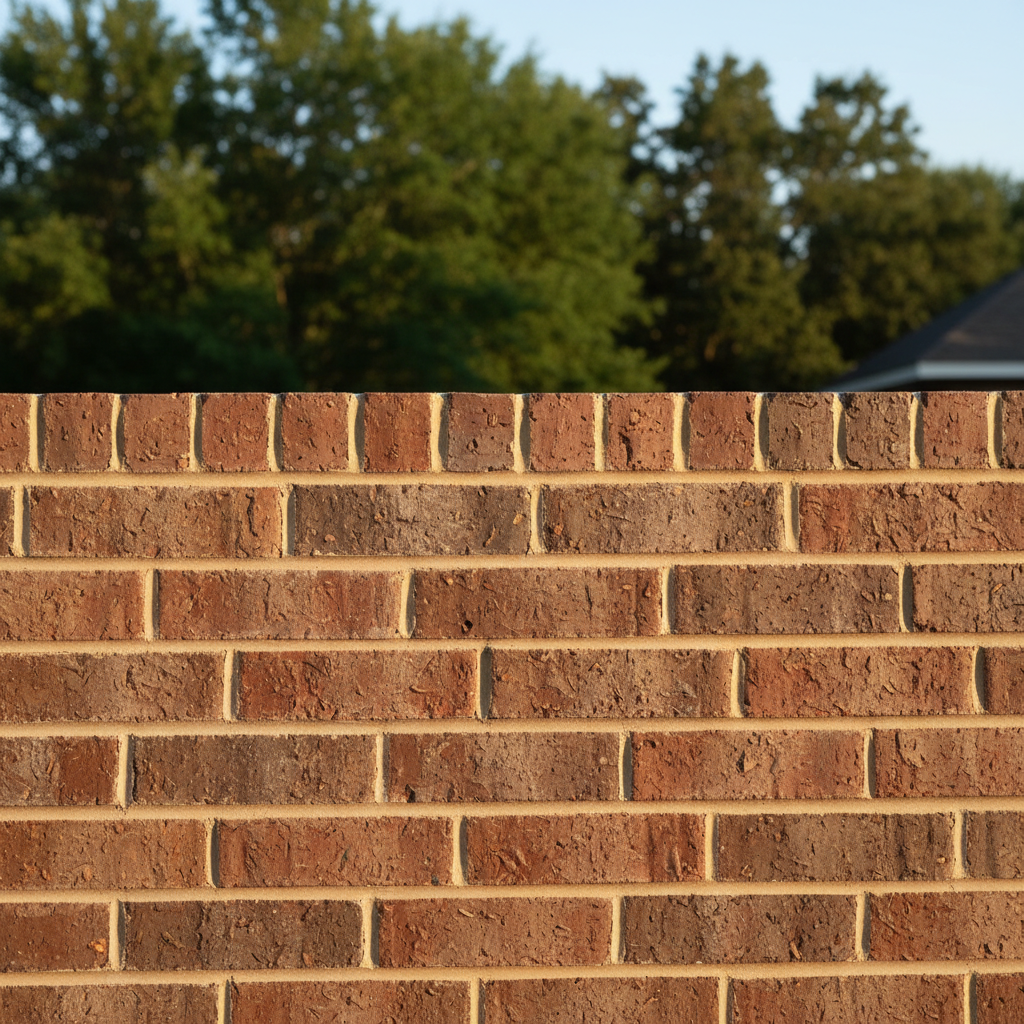
See some cracks in your brick? Maybe the mortar's flaking out between your stones? It's a common sight around Rosenberg, especially with our shifting clay soils and the way our weather goes from scorching hot to humid in a flash. You might be wondering, "Can I just fix this myself, or do I need to call someone?" Let's break down masonry restoration so you know what you're looking at.
Before You Start: Assessing the Damage
First things first, you gotta figure out what's really going on. Don't just grab a bucket of mortar and start smearing. Walk around your house, really look at the brickwork, stone, or block.
- What kind of damage? Is it just a few hairline cracks in the mortar? Are whole chunks of mortar missing? Are the bricks themselves cracked, spalling (flaking apart), or crumbling?
- How widespread is it? Is it one small spot, or does it run along a whole wall? If you see a crack that goes from the foundation all the way up through the brick and maybe even into the trim around a window, that's a much bigger deal than a little chip.
- What's causing it? This is key. If you just patch a crack but don't fix what caused it, that crack's coming right back. Could be water getting in, foundation settling (a big one here in Fort Bend County with our expansive soils), impact damage, or just old age.
For small, superficial stuff like a tiny bit of crumbling mortar in a non-structural area, you might be able to tackle it yourself. We're talking about a few square inches, not a whole wall. Anything more than that, especially if bricks are damaged or you suspect foundation issues, you need a pro to look at it. Seriously, don't mess around with structural integrity.
DIY vs. Calling a Pro: Knowing Your Limits
Alright, so you've assessed the damage. Here's where you decide if you're putting on your work gloves or picking up the phone.
What You Can (Probably) DIY:
- Small Mortar Repair (Repointing): If it's just a few isolated spots where the mortar is sandy or flaking out, and the bricks themselves are sound, you can try repointing. You'll need a cold chisel, a hammer, a tuck-pointing trowel, a margin trowel, and some pre-mixed mortar (make sure it matches your existing mortar color and type as closely as possible). Carefully chip out the old, loose mortar, wet the joint, and press in new mortar. It takes practice to make it look good, but for a small, out-of-the-way spot, it's doable.
- Cleaning: If your masonry just looks dirty, you can often clean it yourself. Start with plain water and a stiff brush. If that doesn't work, try a mild detergent. Be super careful with pressure washers – too much pressure can actually damage mortar and brick, especially older stuff.
When to Call J&S Masonry Rosenberg (or another trusted pro):
- Extensive Repointing: If you've got whole sections of wall with bad mortar, that's a big job. Matching mortar correctly (type, color, sand consistency) is crucial for the long-term health and look of your wall. Pros have the tools and experience to do it right and efficiently.
- Cracked or Spalling Bricks/Stones: Replacing individual bricks or stones without damaging the surrounding masonry is tricky. It requires specialized tools and knowledge.
- Structural Cracks: Any crack that's wide (bigger than a credit card), runs diagonally, or goes through multiple courses of brick is a red flag. This often points to foundation movement or other serious issues that need an expert's diagnosis and repair. We've seen plenty of houses in older Rosenberg neighborhoods like those around Avenue H with these kinds of issues.
- Chimney Repair: Chimneys take a beating from the elements. If you see cracks, leaning, or missing mortar on your chimney, call a pro. It's a safety issue.
- Water Penetration Issues: If water is consistently getting through your masonry, a simple patch won't cut it. You might need flashing repair, weep hole installation, or a full waterproofing solution.
During the Project: What to Expect
If you hire us, we'll start with a thorough inspection to pinpoint the cause and extent of the damage. We'll talk you through the plan, what materials we'll use, and how long it'll take. Good masonry work takes time; it's not a rush job. We'll protect your landscaping and property, and keep the work area tidy.
If you're DIYing, take your time. Don't try to do too much at once. Read the instructions on your mortar mix. Wear safety glasses and gloves. And if you get halfway through and realize it's more than you bargained for, don't be afraid to stop and call for help.
After the Restoration: Keeping it Strong
Once the work is done, whether by you or a pro, you want it to last. Here's what you need to do:
- Curing: Mortar doesn't just dry; it cures. This means it needs moisture for a few days to reach its full strength. Keep newly repaired areas damp by misting them with water a couple of times a day, especially in our hot Texas sun.
- Regular Inspections: Make it a habit to walk around your house once or twice a year. Look for new cracks, crumbling mortar, or signs of water intrusion. Catching small problems early saves you big headaches and money down the road.
- Drainage: Make sure your gutters are clean and draining water away from your foundation. Proper drainage is one of the best things you can do to protect your masonry from foundation movement and water damage.
- Sealants (Sometimes): For some situations, especially where water is a persistent problem, a breathable masonry sealant might be recommended. Talk to a pro before applying anything, as some sealants can trap moisture and cause more harm than good.
Taking care of your masonry isn't just about curb appeal; it's about protecting your biggest investment. Don't let small issues turn into major structural problems. If you're unsure, just give us a call at J&S Masonry Rosenberg. We're happy to take a look and give you an honest opinion.