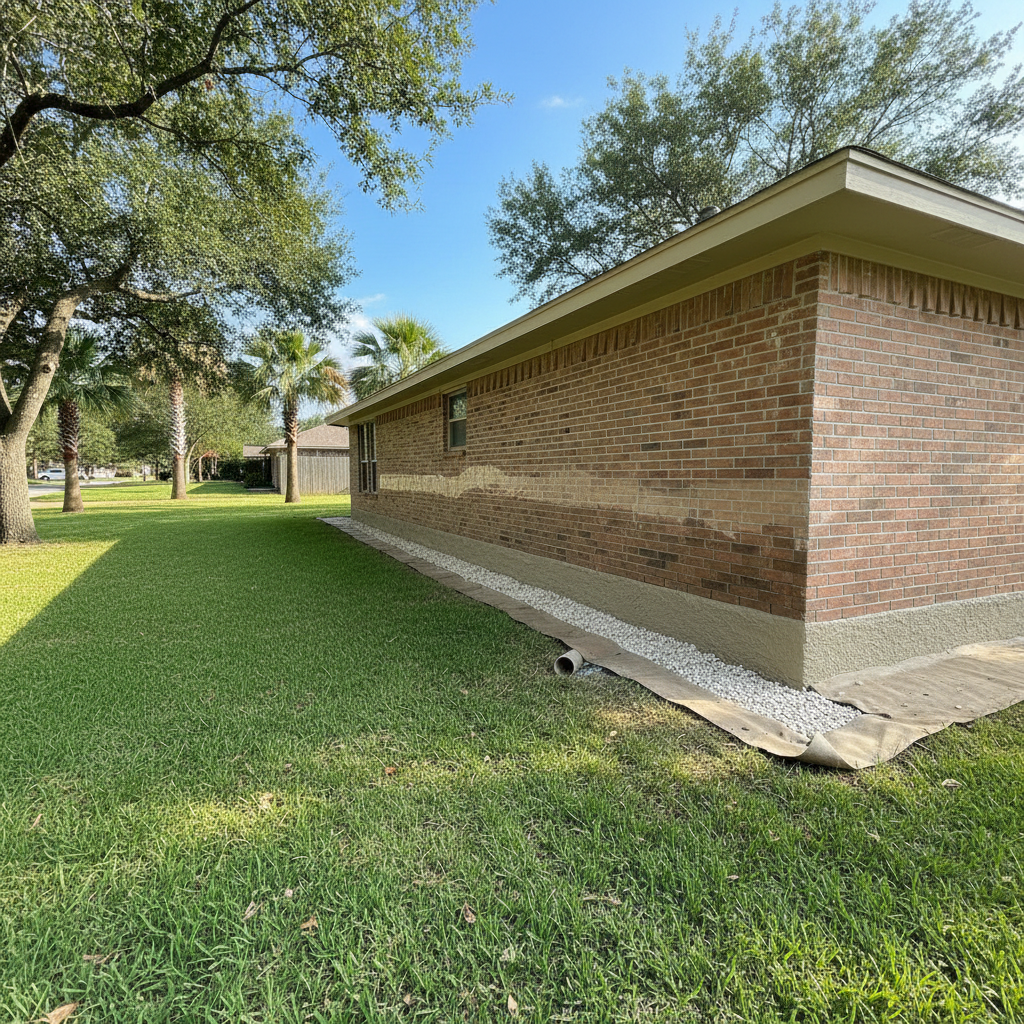
When should you waterproof your masonry here in Rosenberg? It's a question I get a lot, especially with our wild weather swings. Folks often think about it when they see a problem, but by then, you're usually looking at repairs, not just prevention. The truth is, proactive waterproofing is your best defense against our brutal Texas climate.
Why Waterproofing Matters in Rosenberg
Our homes, especially older ones or those with brick and stone, take a beating from the elements. We've got that intense summer sun that bakes everything, then sudden downpours that dump inches of rain in an hour. That constant expansion and contraction from temperature changes, plus all that moisture, really stresses masonry. Water's sneaky; it gets into tiny cracks, and once it's in, it can cause all sorts of headaches: spalling, efflorescence (those white powdery stains), and even structural damage over time. Think about the homes in older parts of town, like near the historic district where you see a lot of classic brick. If those weren't properly maintained, you'll see the signs of water damage pretty quickly.
The Best Time to Schedule Waterproofing
Timing is everything with masonry work, and waterproofing is no exception. You can't just slap it on whenever. The ideal window for applying most waterproofing sealants is when temperatures are moderate and stable. For us in Rosenberg, that means spring and fall are usually your best bets. I'm talking about those sweet spots when it's not scorching hot, not freezing cold, and not pouring rain every other day.
- Spring (March-May): The weather's generally mild, and you're getting ahead of the really intense summer heat and hurricane season. The masonry has a chance to dry out from any winter dampness, and the sealant can cure properly without extreme temperatures interfering.
- Fall (October-November): After the summer's heat has passed but before the occasional winter freezes, this is another great time. The masonry has dried out from summer rains, and the cooler, drier air helps the product set up just right.
Trying to do it in the dead of summer when it's 100 degrees or in the middle of a cold snap just isn't effective. The material won't cure correctly, and you'll be wasting your money and my time. And don't even think about doing it when rain is in the forecast. The surface needs to be bone dry for the sealant to adhere properly.
Weather Conditions That Affect the Work
Beyond just temperature, a few other weather factors play a big role in whether we can get your waterproofing done right:
- Rain: This is a no-brainer. Masonry has to be dry. If it's rained recently, we'll need to wait until the surface is completely dry, which can take a day or two depending on how much rain we got and how humid it is.
- Humidity: High humidity, which we know all about here in Fort Bend County, can slow down the drying and curing process of some sealants. It's not a deal-breaker like rain, but it's something we account for.
- Wind: Strong winds can cause sealants to dry too quickly or blow dust and debris onto the wet surface, compromising the finish. It's not usually a huge issue, but it's something I keep an eye on.
Protecting Your Investment Year-Round
Waterproofing isn't a one-and-done deal, though a good quality job from J&S Masonry Rosenberg will last you a long time. Think of it as part of your home's regular maintenance, like changing your AC filter. Here's what you can do to protect your masonry investment:
- Regular Inspections: Walk around your house a couple of times a year. Look for new cracks, crumbling mortar, or those white efflorescence stains. Catching these early can save you a lot of grief.
- Keep Gutters Clean: Clogged gutters overflow, sending water cascading down your masonry. That's a direct path for water intrusion. Make sure they're clear, especially before and after big storms.
- Proper Drainage: Ensure the ground around your foundation slopes away from the house. Standing water next to your foundation is a recipe for disaster, not just for masonry but for your entire home.
- Trim Landscaping: Keep bushes and trees trimmed back from your home. They can trap moisture against the masonry, preventing it from drying out properly.
Taking these steps, along with timely waterproofing, will help your masonry stand strong against whatever our Texas weather throws at it. It's all about being smart and proactive to protect your biggest investment.