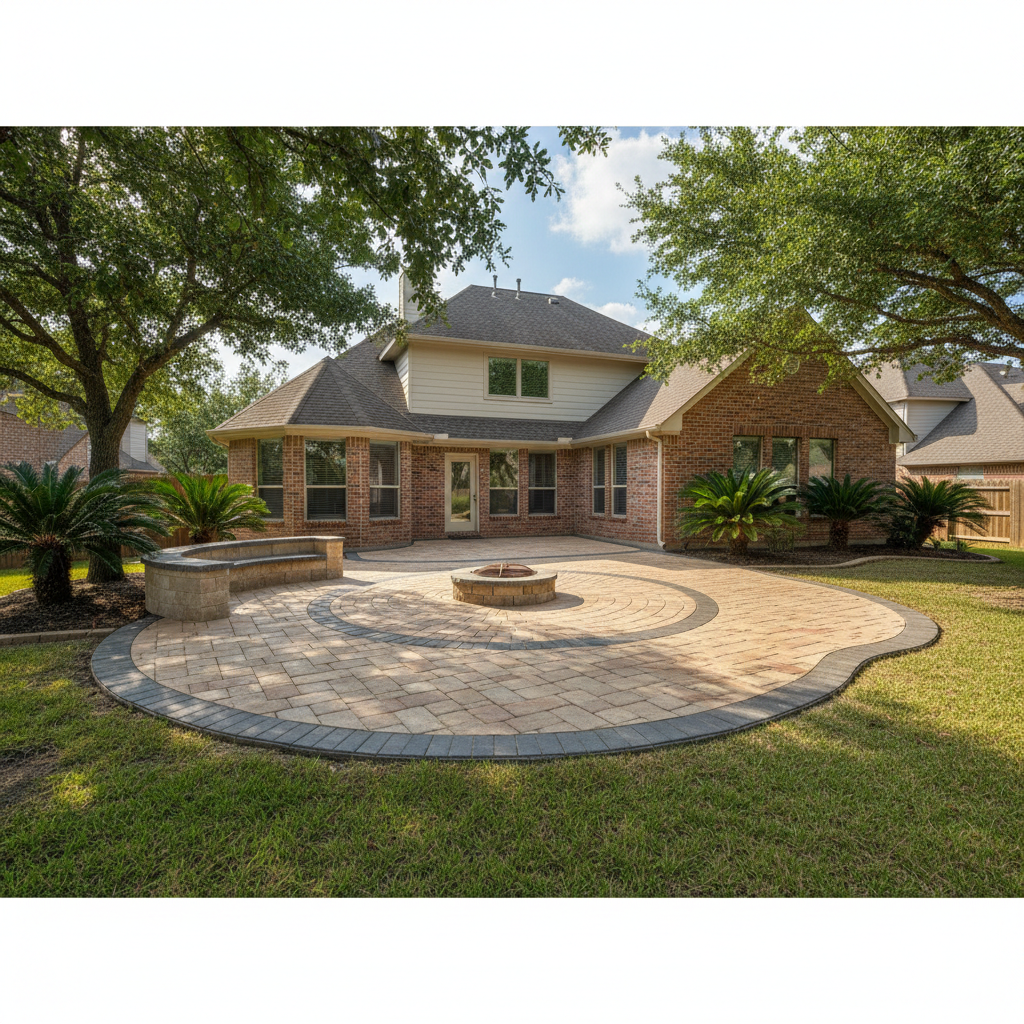
So, you're dreaming of a new paver patio, walkway, or driveway for your place here in Rosenberg? That's a great choice. Pavers look fantastic, and they're tough, especially with our Texas weather. But before you start picking out colors, let's talk about what really goes into a successful paver project. It's more than just laying stones, believe me.
Setting Your Project Timeline
First off, let's manage expectations on timing. This isn't an overnight job, and rushing it usually leads to problems down the road. From your first call to the final sweep, here's a rough idea of what you're looking at:
- Initial Contact & Consultation (1-2 weeks): You'll reach out to a few contractors, including us at J&S Masonry Rosenberg, to get bids. We'll come out, look at your space, and talk about your vision. This is where we figure out the scope, materials, and design.
- Design & Proposal (1-3 weeks): Once we've got the details, we'll put together a detailed proposal and sometimes a design sketch. You'll review it, ask questions, and maybe request some tweaks.
- Material Ordering (2-6 weeks, or more): This is a big one. Pavers aren't always sitting in a warehouse down the street. Depending on the type, color, and quantity you pick, they might need to be ordered from out of state. Supply chain issues can pop up, so factor that in. Don't expect to start next week if you want a specific, less common paver.
- Permits (2-4 weeks, if needed): For larger projects, especially driveways or anything that affects drainage, you might need a city permit. Your contractor should handle this, but it adds time.
- Installation (1-3 weeks): Once everything's on site and permits are approved, the actual work begins. This involves excavation, base preparation, laying the pavers, cutting, jointing, and compaction. The size and complexity of your project dictate this timeframe.
All told, from the moment you decide to get quotes to the finished product, you're probably looking at 6 to 12 weeks, sometimes more. Planning ahead is key, especially if you want it done by a certain season.
What to Expect During Installation
When the crew shows up, your yard's going to look like a construction zone for a bit. There's no getting around it. Here's the rundown:
- Excavation: We'll dig out the area. This means dirt, and sometimes a lot of it, will be moved. If you're in an older part of Rosenberg, say near the historic downtown, we might hit some surprises underground. We're used to dealing with the clay soil out here, which needs proper compaction and drainage planning.
- Base Preparation: This is critical. A good paver installation is all about the base. We'll lay down and compact layers of gravel and sand. This ensures stability and proper drainage, preventing settling and shifting later on.
- Laying Pavers: The fun part! The crew will start laying the pavers in your chosen pattern. There's a lot of cutting involved to fit edges and curves.
- Jointing Sand & Compaction: Once the pavers are down, we'll sweep in specialized sand (often polymeric sand) into the joints and compact the whole area. This locks everything in place and helps prevent weed growth.
- Cleanup: A good contractor cleans up daily and does a thorough final cleanup. You shouldn't be left with a mess.
How to Prepare Your Home and Yard
You can help make the process smoother. Before the crew arrives:
- Clear the Area: Move any patio furniture, grills, potted plants, or anything else from the work zone.
- Protect Valuables: If you have delicate landscaping, garden art, or anything else you don't want accidentally damaged, move it or cover it.
- Pet & Child Safety: Make sure there's a plan for keeping pets and kids away from the active work site. It's a safety hazard.
- Access: Ensure the crew has clear access for equipment and material delivery. Talk to your contractor about where they'll stage materials and park vehicles.
- Sprinkler Systems: If you have an irrigation system running through the project area, let your contractor know. It's best to mark sprinkler heads or have the system temporarily shut off and potentially rerouted.
Questions to Ask Before You Sign That Contract
Don't be shy. This is your home and your money. Here's what you need to know:
- What's your experience specifically with paver installations? You want someone who does this regularly, not just as an occasional side job.
- Can I see examples of your previous paver work, and can I talk to past clients? Photos are good, but a reference you can call is better.
- What kind of base preparation do you do? Get specifics on depth, materials, and compaction methods. This is where cheap contractors cut corners.
- What type of jointing sand do you use, and why? Polymeric sand is usually the way to go for durability and weed prevention.
- How do you handle drainage? Especially important here in Rosenberg where we get heavy rains. You don't want standing water.
- What's included in the price? Get a detailed breakdown. Does it include excavation, base materials, pavers, jointing sand, and cleanup? What about disposal of excavated dirt?
- What's your warranty on the installation? A reputable contractor will stand behind their work.
- Do you pull all necessary permits? Make sure they handle this, and it's included in the scope.
- What's the payment schedule? Never pay the full amount upfront. A reasonable deposit, progress payments, and a final payment upon completion and your satisfaction is standard.
Taking the time to plan and ask these questions will save you a lot of headaches and ensure you end up with a beautiful, long-lasting paver installation you'll enjoy for years. It's an investment, so do it right.