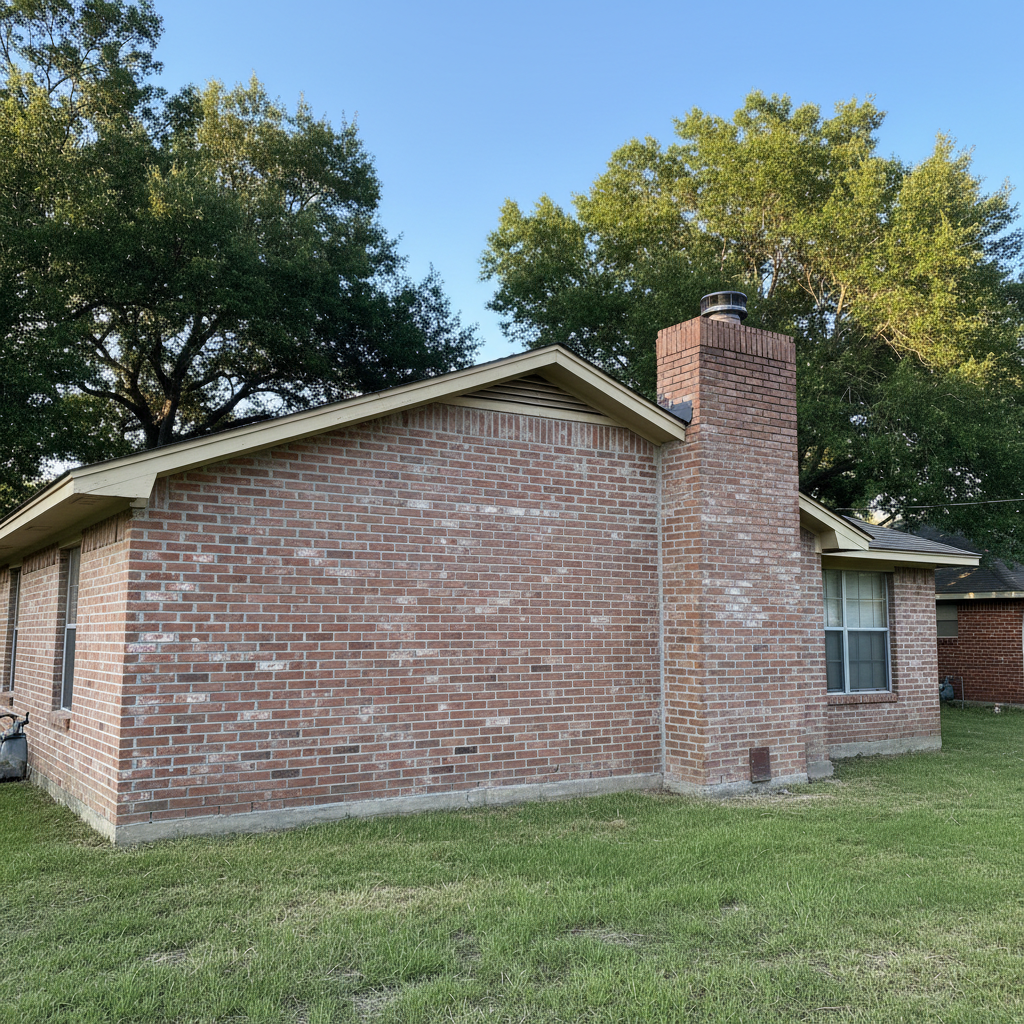
You've noticed your mortar joints are crumbling, maybe there are some cracks, or water's getting in. It's time for tuckpointing. But what's that going to cost you here in Rosenberg? It's not as simple as a flat rate, but I can give you a pretty good idea of what to expect.
What Even Is Tuckpointing?
First off, let's make sure we're on the same page. Tuckpointing, sometimes called repointing, is basically replacing the old, worn-out mortar between your bricks with new stuff. We carefully remove the damaged mortar without messing up the bricks, then fill those joints with fresh, durable mortar that matches your existing brickwork as closely as possible. It's crucial for the structural integrity and longevity of your masonry. It's not just about looks; it's about keeping your wall from falling apart and keeping water out.
What Affects the Price Tag?
A lot of things go into the final cost of a tuckpointing job. You can't just throw out a number without knowing the specifics. Here are the big ones:
The Condition of Your Mortar: This is probably the biggest factor. If your mortar is just a little crumbly in a few spots, it's a lot less work than if it's completely disintegrated on a whole wall. The more mortar we have to remove and replace, the longer it takes and the more it costs.
Accessibility: Is the work on a ground-level wall or three stories up? Do we need scaffolding or special lifts to reach it? If we're working on a chimney or a high wall on a two-story home in, say, the Kingdom Heights neighborhood, that's going to add to the labor and equipment costs. Safety is paramount, and getting to those tough spots takes time and specialized gear.
Type of Mortar: Believe it or not, there are different types of mortar. Matching the original mortar's color, texture, and composition is key for a seamless, durable repair. Sometimes we need to use special historic lime mortars, or specific sand blends to get it just right. This isn't always a huge cost difference, but it can be a factor.
Brick Type and Joint Style: Some bricks are more delicate than others, requiring extra care. And the style of the mortar joint (concave, flush, raked, etc.) affects how quickly and easily we can do the work. A simple concave joint is usually faster than a precise struck joint.
Project Size: Generally, the larger the area needing tuckpointing, the lower the cost per square foot might be. There are economies of scale. A small patch job might have a higher minimum charge than if it's part of a bigger wall repair.
Typical Cost Ranges in Rosenberg, TX
Alright, let's talk numbers. I know you want something concrete, so here's what I've seen. For most standard tuckpointing jobs in Rosenberg, you're usually looking at a range of $15 to $35 per square foot of wall area where tuckpointing is needed. This isn't for the whole wall, but for the sections we're working on.
Now, let me break that down a bit:
Smaller, simpler jobs (easy access, minor deterioration): You might be closer to the $15-$20 per square foot range. Think a small section of a porch column or a few feet of a garden wall.
Average jobs (moderate deterioration, some ladder work): Most homeowners will probably fall into the $20-$30 per square foot range. This covers a good portion of a house's exterior or a chimney that's not too tall.
Complex jobs (extensive deterioration, high access, special mortar): For really tough jobs, like a whole side of a two-story house with significant mortar failure or intricate historical brickwork, you could be looking at $30-$35+ per square foot. Sometimes even higher if it's extremely challenging.
Keep in mind, these are averages. A very small job might have a minimum charge of $500-$1000 just to cover setup, travel, and basic labor, even if the square footage cost would technically be lower. It's just not worth a professional crew's time to come out for less than that.
What's Included in a J&S Masonry Rosenberg Quote?
When you get a quote from us, or any reputable contractor, it should clearly outline everything. Here's what you can expect to be covered:
Labor: This is the biggest chunk, covering the skilled masons doing the work.
Materials: The cost of the new mortar, sand, and any other necessary materials.
Equipment: Things like grinders, tuckpointing blades, mixing tools, scaffolding, ladders, and safety gear.
Surface Preparation: Cleaning the area, protecting surrounding landscaping, and carefully removing the old mortar.
Cleanup: Hauling away debris and leaving your property tidy.
Warranty: A good contractor will stand behind their work. We certainly do.
How to Avoid Overpaying
Nobody wants to get ripped off. Here's my advice:
Get Multiple Quotes: Don't just go with the first guy. Get at least three detailed quotes. This helps you compare not just price, but also what's included and how professional the contractors are.
Ask for Details: A good quote isn't just a single number. It should break down the scope of work, materials, and timeline. If it's vague, that's a red flag.
Check References and Reviews: See what other folks in Rosenberg say about them. A contractor with a solid local reputation is usually a safer bet.
Don't Always Go for the Lowest Bid: The cheapest option isn't always the best. Sometimes a low bid means cutting corners on materials, labor, or insurance. You want quality work that lasts, especially with our Texas weather and the expansive clay soils we have here that can put a lot of stress on foundations and masonry.
Understand the Warranty: Make sure you know what's covered if something goes wrong after the job is done.
Tuckpointing is a vital maintenance task for any brick home or building. Doing it right means your masonry will last for many more decades. If you've got crumbling mortar, don't wait. Get it looked at before a small problem turns into a much bigger, more expensive one.